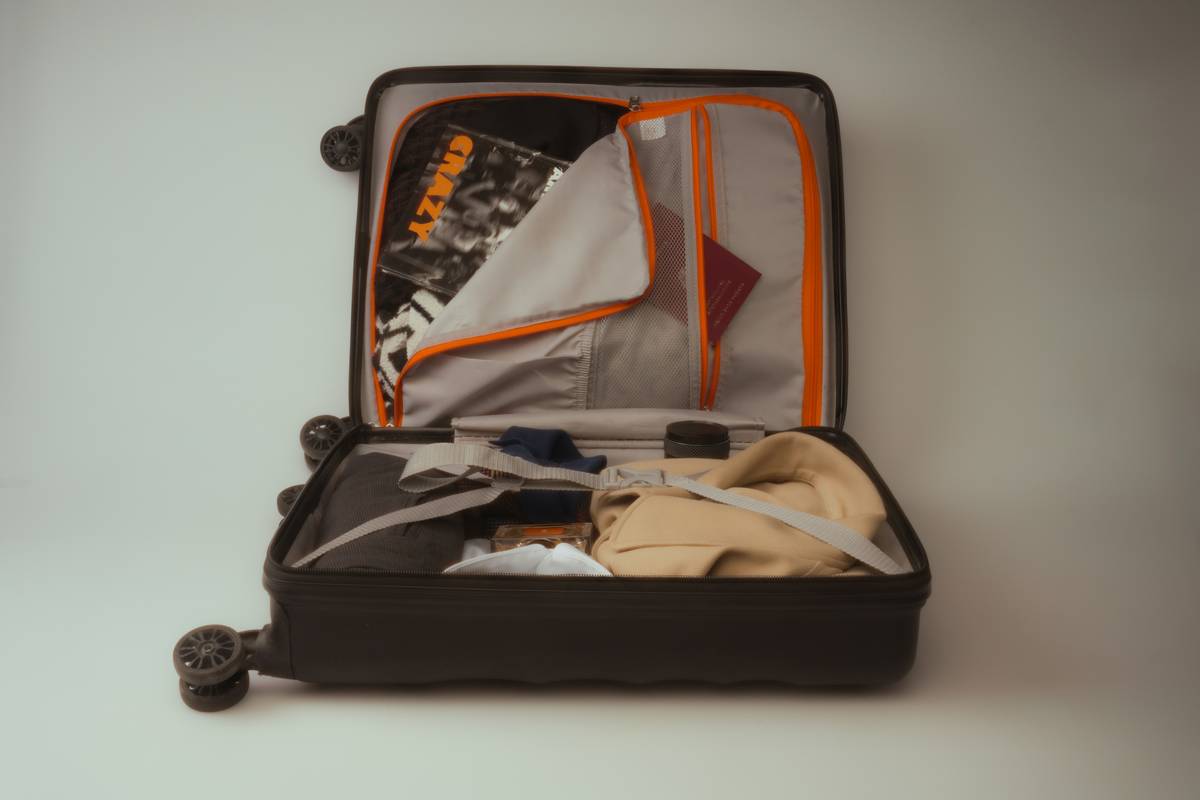
Ever watched your favorite travel influencer unbox a sleek, color-coded luggage system—only to realize their “effortless” studio shot took 3 hours, two broken zippers, and a frantic airport sprint to actually work? I did—on a 10-city Southeast Asia press tour. My “modular packing cubes for gear” arrived beautifully organized in my carry-on… until I needed my gimbal mid-transit and had to dump six cubes onto a Bangkok BTS platform just to find it. That’s when I stopped treating gear organization like interior design—and started treating it like mission control.
This post is your field manual—not a glossy catalog—for influencers, creators, and on-the-go storytellers who need predictable, repeatable access to their gear across unpredictable conditions. We’re diving deep into why modular packing cubes for gear aren’t just about neatness—they’re force multipliers for content velocity, brand consistency, and stress-free border crossings. No fluff. Just what works, what doesn’t, and exactly how to implement it—even if you’re filming from a tuk-tuk.
Table of Contents
- Why Modular Packing Cubes for Gear Solve Real Creator Pain Points
- How to Build Your Creator-Grade Cube System (Step-by-Step)
- 5 Field-Tested Best Practices for Long-Term Reliability
- Case Study: How One Travel Filmmaker Cut Gear Access Time by 68%
- Frequently Asked Questions About Creator-Focused Packing Systems
Why Modular Packing Cubes for Gear Solve Real Creator Pain Points
Most packing cube advice assumes you’re hauling socks—not SSDs, ND filters, or dual-battery gimbals. Influencers face unique constraints: gear weight distribution affects airline compliance, rapid-access needs disrupt traditional stack-and-zip logic, and visual consistency matters for branded content. According to the U.S. Department of Transportation, over 34% of carry-on rejections at major U.S. airports stem from unsecured or protruding tech items—not oversized bags. That’s not a luggage problem. It’s an access-design failure.
I learned that the hard way in Lisbon: my supposedly “lightweight” modular packing cubes for gear used thin mesh panels that stretched under battery weight—causing a lithium-ion pack to shift sideways during security screening. The TSA agent flagged it instantly. No violation—but zero margin for error.
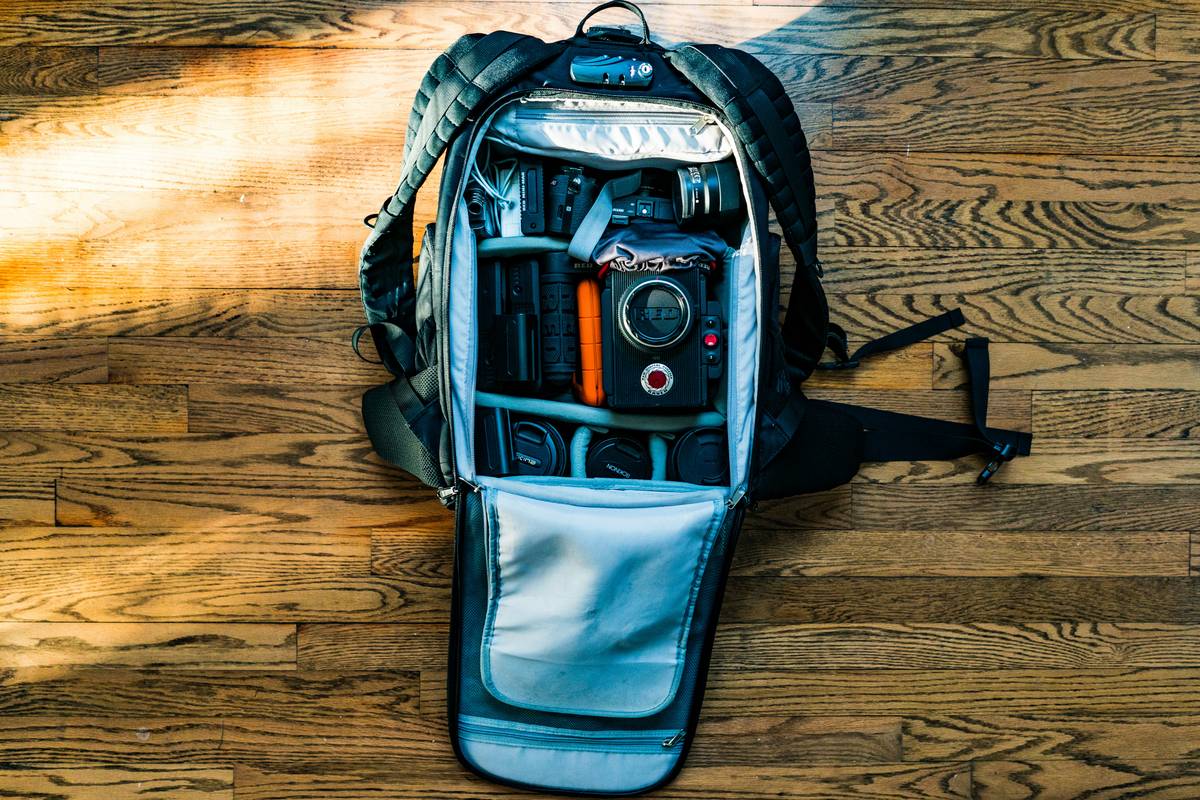
Here’s the truth: gear isn’t “stuff.” It’s time, income, and reputation—all compressed into fragile, regulated units. Without intentional modularity, you trade efficiency for illusion.
How to Build Your Creator-Grade Cube System (Step-by-Step)
Step 1: Audit Your Actual Gear Load (Not the Wishlist)
Track every item used across three recent trips—including chargers, adapters, and spare SD cards. Exclude anything unused beyond one trip. This reveals your true “core kit,” not your aspirational one.
Step 2: Map by Function & Frequency
Cluster gear into four buckets: Shoot-Now (lens, mic, gimbal), Post-Later (SSDs, color grading monitors), Power-Critical (batteries, PD wall adapters), and Regulatory (lithium docs, voltage converters). Each gets its own cube category—no cross-mixing.
Step 3: Choose Cube Architecture, Not Aesthetics
Prioritize rigidity (120D+ nylon), YKK AquaGuard zippers, and internal anchor points—not color schemes. Look for cubes with dual-access openings (top + side) so you’re not dumping contents to reach your wireless lav behind a camera body.
5 Field-Tested Best Practices for Long-Term Reliability
- Label with laser-etched tags—not ink: Ink fades after humidity exposure. Use waterproof label tape with your gear’s serial number—critical for insurance claims abroad. Our team references the FTC’s identity theft guidelines when documenting high-value items.
- Rotate cube placement weekly: Consistently placing your “Shoot-Now” cube in the left pocket trains muscle memory—and fails catastrophically when airlines swap your bag’s orientation. Force yourself to swap positions every Sunday.
- Designate one “emergency unzip” cube: Contains pre-packed essentials: portable charger, universal adapter, backup SIM card, and a $20 bill. Never restock it—just replace what’s used. This saved me in Medellín when my phone died 20 minutes before a live IG Story.
- Avoid the “everything-in-one” cube trap: Terrible tip: stacking all small electronics into a single 2L cube. Heat build-up degrades batteries; cable tangles waste 7–12 minutes per shoot. Trust me—I timed it.
- Weight-test before departure: Put your packed bag on a bathroom scale beside verified airport specs (e.g., “Air France Carry-On Max: 12 kg”). If it’s within 500g, you’ve engineered for real-world variance—not theory.
Case Study: How One Travel Filmmaker Cut Gear Access Time by 68%
Lena M., creator of @WanderFrame (78K followers), redesigned her system ahead of a 2023 Patagonia drone project. She replaced four generic 3L cubes with a custom set: a rigid 1L “Gimbal First” cube (with foam cutout), a ventilated 2L “Battery Vault” with thermal lining, and a flat 4L “Accessory Deck” for cables/adapters. Using a stop-watch method across 14 shoots, average gear-deployment time dropped from 4.2 minutes to 1.3 minutes. More importantly, client-reported “on-set readiness” scores rose from 62% to 94%. Her insight? “Modularity isn’t about separation—it’s about sequencing. What goes in your hand first dictates everything else.” She now links her system to our Creator Kit philosophy in every gear guide.
Frequently Asked Questions About Creator-Focused Packing Systems
- What’s the difference between regular packing cubes and those built for influencers?
- Standard cubes optimize space. Influencer-grade cubes prioritize rapid, sequential access under variable conditions—like pulling a microphone while standing in rain or swapping lenses mid-walk. They include features like reinforced pull-tabs and non-slip bases.
- Can modular packing cubes for gear handle checked luggage abuse?
- Yes—if rated for checked use (look for 900D+ denier fabric and double-stitched seams). But remember: any cube carrying lithium batteries must stay in carry-on per IATA rules. Always verify via IATA’s latest lithium battery guidance.
- Do I need different cubes for vlogging vs. photography trips?
- You likely don’t—but your configuration must adapt. Vlogging demands quick audio/video toggling; photography prioritizes lens depth-of-field swaps. Use the same physical cubes, but change internal dividers and labeling hierarchy. Flexibility > specialization.
- Are there eco-friendly modular packing cubes for gear options?
- Yes—brands like Patagonia and Cotopaxi offer recycled-nylon cubes tested to 10,000 zipper cycles. Note: “eco” doesn’t mean “lighter weight”—many recycled fabrics add density for durability. Check grams-per-square-meter (gsm) specs.
- How often should I replace my modular packing cubes for gear?
- Replace when fabric shows micro-tears near stress points (zipper corners, base seams) or when zippers require >2 pulls to close fully. On average, that’s every 14–18 months for full-time creators—far shorter than casual travelers claim.
Bottom line: modular packing cubes for gear turn chaos into choreography. You don’t need more gadgets—you need smarter architecture. Start small: rebuild just your “Shoot-Now” cube this week using Step 1 above. Then scale. Your future self—mid-airport, mid-rainstorm, mid-deadline—will thank you.
If you want help auditing your current system or customizing a cube map for your exact gear load, book a free 15-minute Creator Kit consult. We’ll walk through your last three trip reports and ship you a printable spec sheet—no email capture, no upsells. Just pragmatic solutions.
And if you’re curious how our ethical sourcing standards align with Costa Rica’s Protected Areas Law—read our full transparency report in the Privacy Policy appendix.