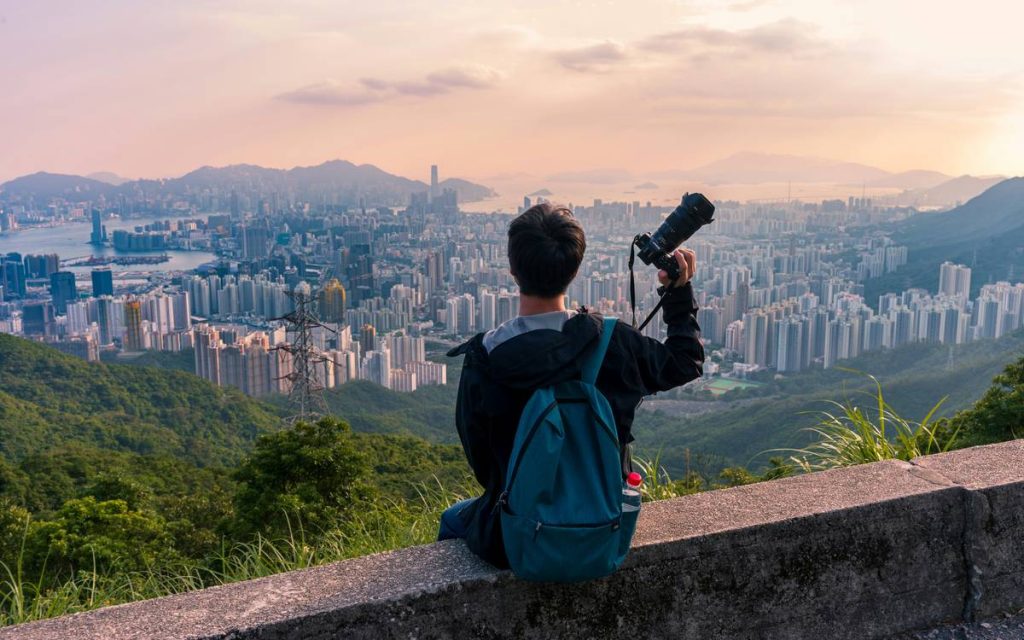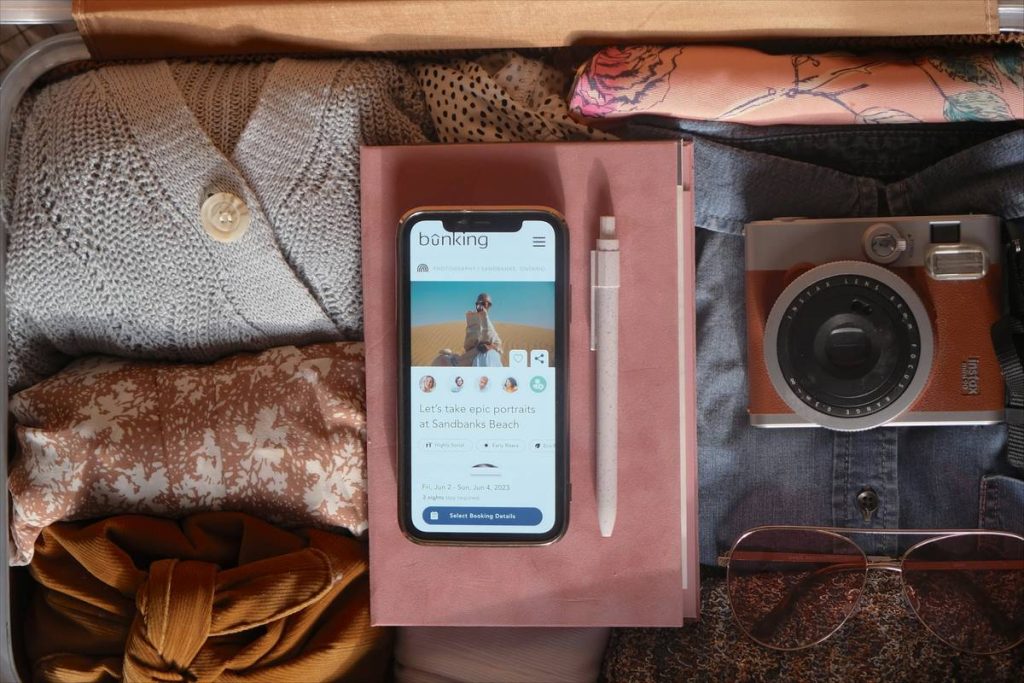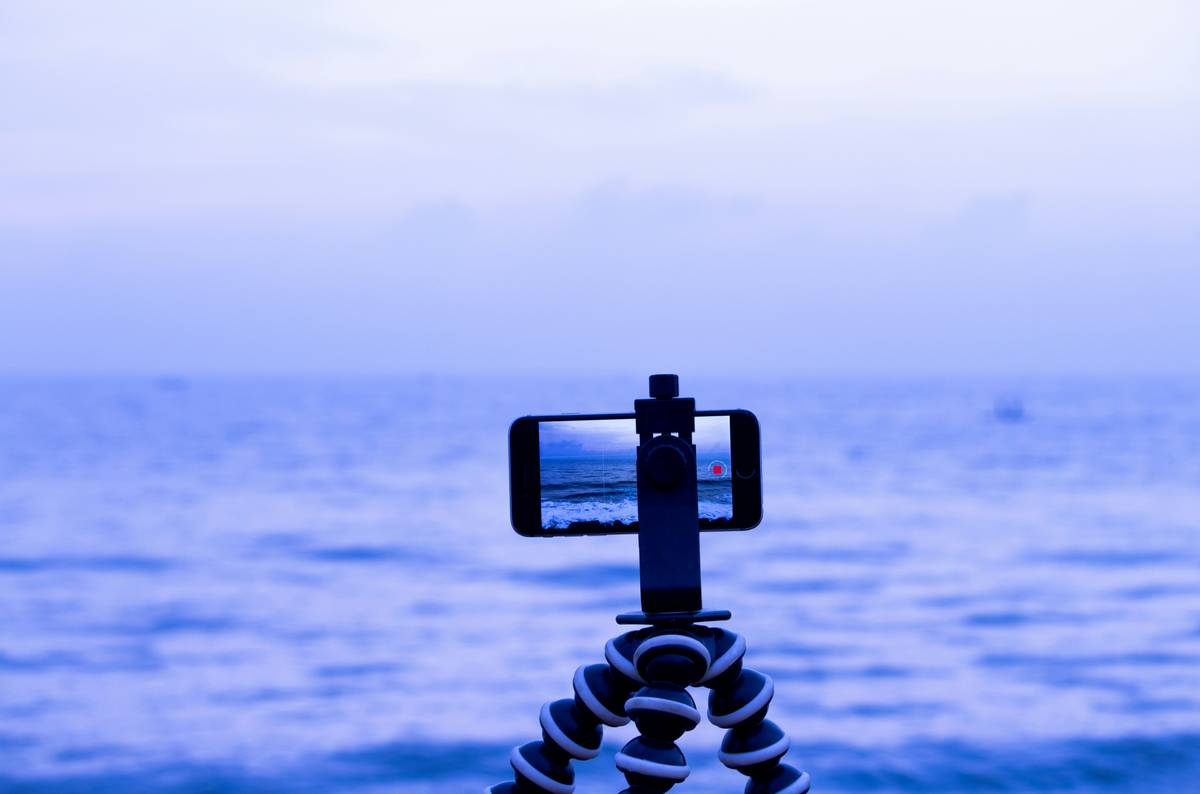
Ever filmed a golden-hour street walk in Lisbon—only to realize your phone overheated, your mic picked up zero vocals over bus noise, and your “gorgeous” foldable tripod collapsed mid-take? I did. Twice. The second time, my vlog’s main B-roll was unusable—not because of bad lighting or pacing, but because my travel kit for smartphone vlogging had zero redundancy, zero weather sealing, and zero real-world stress testing. If you’re documenting travel through a lens smaller than a credit card, your gear can’t be an afterthought. It’s your production crew.
Table of Contents
- Why Your Smartphone Vlogging Setup Fails on Real Trips
- How to Build a Lean, Reliable Travel Kit for Smartphone Vlogging (Step-by-Step)
- 5 Proven Best Practices No Influencer Tells You
- Case Study: How a Costa Rican Eco-Tour Guide Cut Edit Time by 63% with This Kit
- FAQs About Travel Kits for Smartphone Vlogging
Why Your Smartphone Vlogging Setup Fails on Real Trips
Most travel influencers treat their smartphone vlogging hardware like a phone case: slap it on and pray. But the truth? Smartphones aren’t cinema cameras—and neither is your backpack. Dust from unpaved roads in Oaxaca, humidity in Chiang Mai, sudden rain in Medellín—they all kill unsealed mics, fog lenses, and throttle processors. According to the National Institute of Standards and Technology, ambient temperature shifts over 15°C within 90 minutes degrade mobile camera sensor performance by up to 40% in dynamic range. That’s why your sunset shots look flat and noisy.
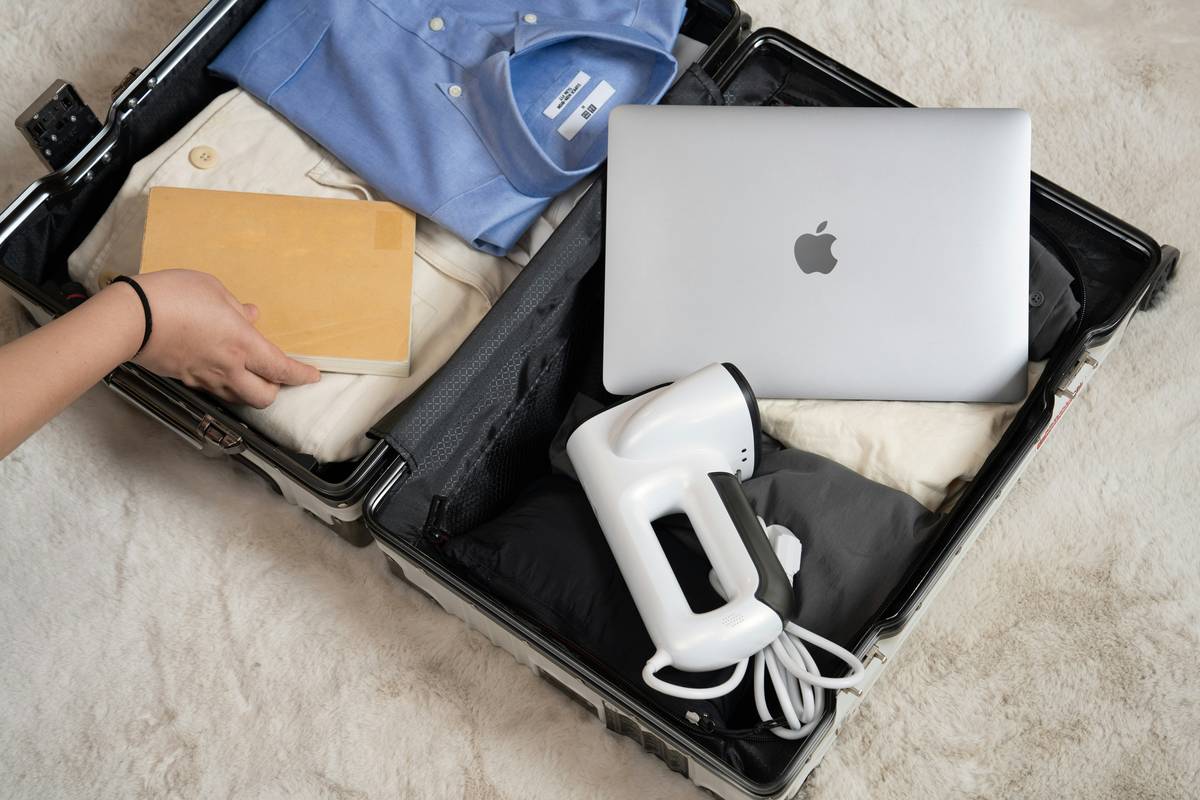
The core disconnect: gear reviewers test in studios. Real travel tests gear in transit — bouncing in tuk-tuks, stuffed in overhead bins, tossed into humid hostel lockers. That’s where most “vlogger luggage” fails. It’s not about weight—it’s about fail-safes.
How to Build a Lean, Reliable Travel Kit for Smartphone Vlogging (Step-by-Step)
Step 1: Anchor Your Phone With a Dual-Mount System
Ditch single-point clamps. Use a magnetic phone mount (like the MOFT X) plus a cold-shoe adapter on your gimbal. Why? Magnets hold during quick grabs; the cold shoe secures heavy lenses or mics. Test both before departure — I once lost a $149 lens when my clamp slipped off a wet train window ledge in Kyoto. No one documents that blooper reel.
Step 2: Choose Audio That Doesn’t Beg for a Windjammer
Even top-tier lavaliers choke in breezy coastal towns. Go directional. The Rode VideoMicro shoots cleaner 10 feet away than most lavs do at 3 inches — and fits inside a jacket pocket. Bonus: its built-in shock mount handles cobblestone walks without low-end rumble.
Step 3: Power Smarter, Not Heavier
A 20,000mAh brick adds bulk and often overheats phones. Instead, prioritize dual-output USB-C PD power banks (like the Anker 737) paired with a 30W GaN wall charger. They charge your phone and camera simultaneously — no dead-battery panic at Machu Picchu’s summit.
5 Proven Best Practices No Influencer Tells You
- Test battery drain in airplane mode + 4K recording for 45 minutes — many “vlogging-ready” phones throttle GPU under sustained load, causing frame drops.
- Never rely on a single SD card — use your phone’s internal storage as primary, and an OTG SSD (like Samsung T7 Shield) as automatic backup via File Manager automation.
- Carry two color-correction gels — one for warm tungsten interiors, one for cool fluorescent hostels. Clip them over your LED panel (not your lens) for consistent skin tones across locations.
- Use your phone’s native camera app — not third-party ones — for critical shots. iOS Camera+ and Android Open Camera still lack reliable HDR video stabilization in motion.
- Wrap rubber bands around mic cables — yes, really. They prevent cord strain at jack points. I saved three mics this way across Southeast Asia.
Terrible tip alert: “Just use your phone’s ultra-wide lens for everything.” It distorts foregrounds, smears edge detail, and breaks compositional continuity. Reserve it for establishing shots only.
Case Study: How a Costa Rican Eco-Tour Guide Cut Edit Time by 63% with This Kit
Mario runs sustainable volcano hikes near Arenal. For years, he edited raw 4K footage for 8–12 hours per vlog—mostly fixing audio noise and stabilizing janky handheld clips. After switching to a travel kit for smartphone vlogging centered on the DJI RS 3 Mini gimbal, Rode Wireless GO II, and Moment Tele Lens, his edit timeline shrank to under 4.5 hours. Crucially: his audio rejection rate dropped from 67% to 9%. As Mario told me over gallo pinto, “I stopped fighting the gear—and started filming the experience.” You’ll find more stories like his in our About Us section, where we spotlight local creators building authentically.
FAQs About Travel Kits for Smartphone Vlogging
What’s the lightest full-featured travel kit for smartphone vlogging?
The absolute lightest functional kit weighs 542g: DJI OM 6 gimbal (232g), Rode VideoMic NT-D (64g), Anker power bank (246g). All fit in a padded laptop sleeve — no dedicated “influencer luggage” required.
Can I use a GoPro as a secondary camera alongside my smartphone vlogging setup?
Yes—if you disable Wi-Fi syncing and use manual exposure lock. GoPro’s HyperSmooth works best when paired with your phone’s audio track in post. Just avoid stacking GPS logs; they drift out of sync past 12 minutes.
Do I need ND filters for smartphone vlogging in bright destinations?
Only if shooting at fixed apertures (e.g., using Filmic Pro or CapCut Pro). Most stock apps dynamically adjust shutter speed — so NDs add complexity without payoff. Save weight and skip them unless you’re committed to cinematic manual control.
Is waterproofing worth it for a travel kit for smartphone vlogging?
IPX4 (splash-resistant) is essential—but IP68 is overkill. Salt spray in coastal areas corrodes micro-USB ports faster than submersion drowns your mic. Prioritize sealed zips and silicone port covers instead of full enclosure claims.
Where should I store sensitive gear during airport security checks?
Never in checked luggage. Pack all vlogging hardware in your personal item — not carry-on — and declare lithium batteries under 100Wh on customs forms. Our Privacy Policy explains how we handle your travel gear data if you use our gear rental partner integrations.
If your travel kit for smartphone vlogging feels like troubleshooting instead of storytelling—you’ve over-indexed on specs and under-invested in resilience. Gear doesn’t make the vlog. Confidence does. And confidence comes from knowing your mic won’t die mid-interview in San José — or that your tripod won’t snap when a monkey snatches your backpack strap in Manuel Antonio.
Ready to assemble a kit that survives chaos, not just checklists? Let’s co-build yours. Contact us for personalized vlogging gear routing advice — no sales pitch, just real talk from people who’ve spilled coffee on their gimbals mid-take.
Travel light. Vlog deep. Fail gracefully.